
Mold in a Montana Rental: The 14-Day Notice and Repair-and-Deduct Rules
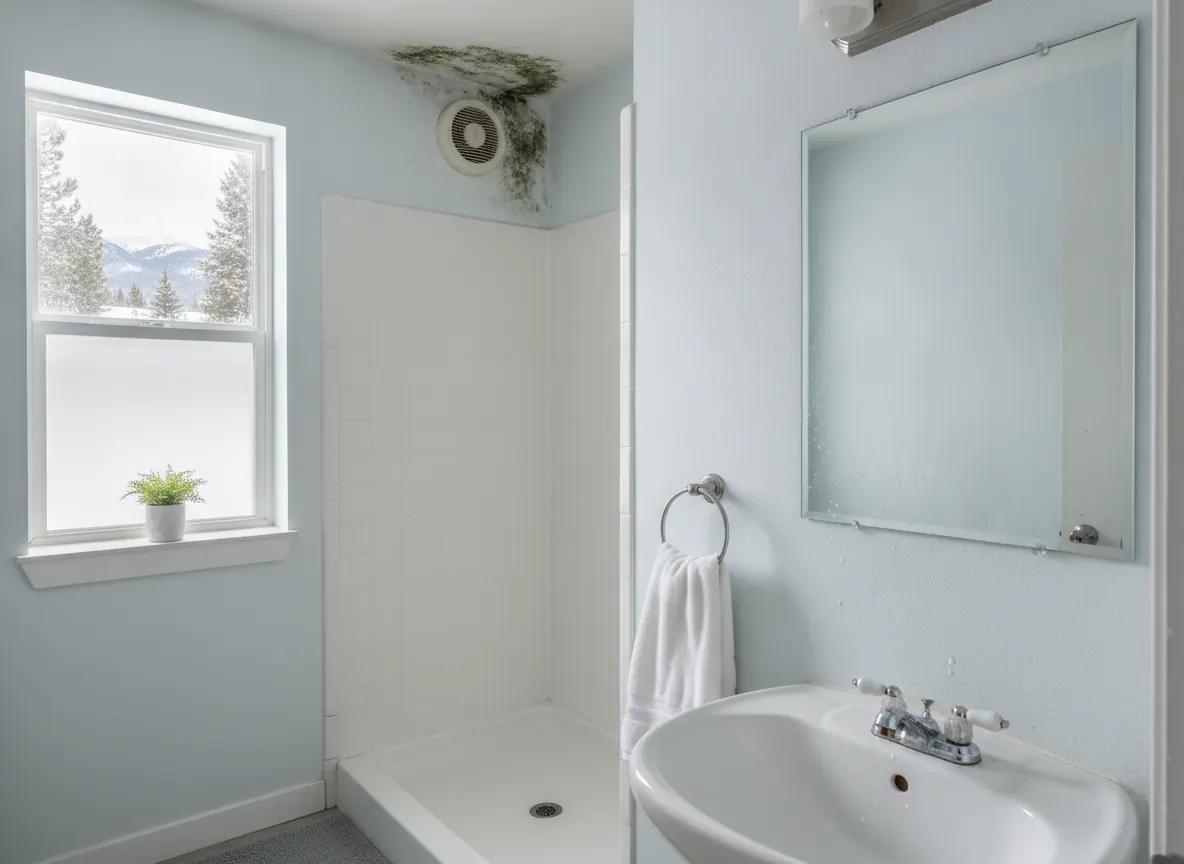
Montana has no statute written specifically about mold repairs in rentals. What applies is the Residential Landlord and Tenant Act of 1977. Under MCA 70-24-303 a landlord must keep the premises fit and habitable, and under MCA 70-24-406 a tenant facing a breach of that duty that affects health and safety can give written notice that the rental agreement will end in no less than 30 days unless the problem is remedied in 14 days. The same section allows a limited repair and deduct, capped at one month's rent. This guide quotes those rules for Bozeman tenants and landlords. It is general information, not legal advice.
What the landlord owes: MCA 70-24-303
The statute does not use the word mold. It lists duties. A landlord:
- "shall make repairs and do whatever is necessary to put and keep the premises in a fit and habitable condition," except where the tenant is responsible for maintaining the unit under 70-24-321.
- shall maintain "in good and safe working order and condition all electrical, plumbing, sanitary, heating, ventilating, air-conditioning, and other facilities and appliances" that the landlord supplies or is required to supply.
Read those against a Bozeman winter. January lows average around 12°F, units are sealed tight, and the usual causes of rental mold are a leak, a weak or missing bath fan, or a cold wall that sweats. Plumbing and ventilating equipment are named in the statute. Whether a particular patch of mold makes a unit unfit is a question of fact, which is where a written inspection with moisture readings earns its cost.
What the tenant owes: MCA 70-24-321
The Act runs both ways. A tenant shall keep the part of the premises they occupy "as reasonably clean and safe as the condition of the premises permits," keep plumbing fixtures as clean as their condition permits, and "use in a reasonable manner all electrical, plumbing, sanitary, heating, ventilating, air-conditioning, and other facilities and appliances."
In practice: run the bath fan, keep vents clear, report leaks promptly and keep indoor humidity under 50%, the target MSU Extension gives. The tenant remedies below are not available for a condition the tenant caused.
The 14-day written notice: MCA 70-24-406(1)(a)
If there is a noncompliance with 70-24-303 "affecting health and safety," the tenant may deliver a written notice to the landlord. The statute says what the notice does:
Name the problem
The notice specifies "the acts and omissions constituting the breach." For mold, that means where it is, what is wet and what has not been fixed.
State the dates
The notice says the rental agreement will terminate on a date "not less than 30 days after receipt of the notice if the breach is not remedied in 14 days."
Watch for the cure
If the breach can be remedied by repairs, payment of damages or otherwise, and the landlord adequately remedies it before the date in the notice, the rental agreement does not terminate.
Three more details are in the same subsection:
- Emergencies. If the noncompliance results in a case of emergency and the landlord fails to remedy it "within 3 working days after written notice by the tenant of the situation and the tenant's intention to terminate," the tenant may terminate the rental agreement.
- Repeat problems. If substantially the same act or omission recurs within 6 months of a prior notice, the tenant may terminate on at least 14 days' written notice specifying the breach and the termination date.
- Tenant-caused conditions. The tenant "may not terminate for a condition caused by the tenant, a member of the tenant's family, or other persons on the premises with the tenant's consent."
The 14-day notice is a notice to end the lease if the repair is not made. It is not a rent-withholding rule. Nothing in 70-24-406(1)(a) says a tenant may stop paying rent during the 14 days.
Repair and deduct: MCA 70-24-406(1)(b)
The second remedy is narrower than many people assume. A tenant may "make repairs that do not cost more than 1 month's rent and deduct the cost from the rent if the tenant has given the landlord notice and the landlord has not made the repairs within a reasonable time." If the repair is required in a case of emergency, the tenant "may have repairs made only by a person qualified to make the repairs."
Compare that cap with what mold work tends to cost here. On the mold remediation cost in Bozeman guide, a small contained area such as a bathroom under 10 square feet typically runs $500 to $1,500, and one basement area runs $1,000 to $4,000. A small contained cleanup may fit under one month's rent; a basement job usually will not. Keep the written scope and the receipt for anything deducted.
Damages, entry and retaliation
Damages. Under 70-24-406(2), a tenant "may recover actual damages and obtain injunctive relief for any noncompliance by the landlord with the rental agreement or 70-24-303," in addition to the notice and repair rights above.
Entry for repairs. Under MCA 70-24-312, a tenant "may not unreasonably withhold consent" for the landlord to enter to inspect the premises or make necessary or agreed repairs. Except in an emergency, or unless it is impracticable, the landlord gives "at least 24 hours' notice of the intent to enter" and may enter only at reasonable times.
Retaliation. MCA 70-24-431 says a landlord "may not retaliate by increasing rent, by decreasing services, or by bringing or threatening to bring an action for possession" after the tenant has complained to the landlord in writing of a violation under 70-24-303. A complaint within 6 months before the landlord's act creates a rebuttable presumption of retaliation. The section lists exceptions, including a tenant in default in rent.
For landlords: the same statutes from your side
A written mold complaint starts clocks. Find the water quickly, get a written scope, fix the cause along with the growth, and schedule entry with at least 24 hours' notice. Keep the tenant's report, photos, scope and completion record together, because the Montana Mold Disclosure Act (MCA 70-16-703) asks landlords who know of mold to disclose it, with prior testing and mitigation, to future tenants. A neutral inspection report that separates a building leak from surface condensation settles most disputes over cause early.
A practical sequence for Bozeman renters
- Photograph the growth and anything that looks like the source, and note the date.
- Report it to the landlord or property manager in writing and keep a copy. The statute's remedies start from written notice.
- Keep running the bath fan and allow reasonable access for inspection and repair.
- If the cause is disputed, a mold inspection with moisture readings gives both sides the same facts. Inspection with sampling typically runs $300 to $700 in the Bozeman area.
- Before sending a termination notice or deducting anything from rent, talk to a Montana attorney or a tenant resource. The dates and the wording matter.
See also the rental property mold page and the Bozeman neighborhood page.
Getting a written scope for a rental
This site does not do the work or give legal advice. It passes your details to an independent local company that inspects, writes the scope and quotes the job. Tenant or owner, request a free quote and say in the form that the property is a rental, or call (406) 476-0213.
Montana tenant mold FAQ
How long does a Montana landlord have to fix mold after written notice?
MCA 70-24-406 does not name mold. For a breach of the landlord's maintenance duties that affects health and safety, a tenant may give written notice that the rental agreement will end at least 30 days after the landlord receives it if the breach is not remedied in 14 days. In an emergency the period is 3 working days.
Can a Montana tenant pay for mold repairs and deduct the cost from rent?
MCA 70-24-406(1)(b) allows repairs that do not cost more than 1 month's rent to be deducted from rent, but only after the tenant has given notice and the landlord has not made the repairs within a reasonable time. Get advice before withholding any rent.
Can a landlord raise the rent or evict a tenant for complaining about mold?
MCA 70-24-431 says a landlord may not retaliate by increasing rent, decreasing services or bringing or threatening an action for possession after a tenant has complained to the landlord in writing of a violation under 70-24-303. The section lists exceptions, including a tenant in default in rent.
Statute text quoted from the Montana Code Annotated 2025 at mca.legmt.gov, checked November 21, 2026. This article is general information, not legal advice. For how the law applies to your lease, talk to a Montana attorney.
Worried about mold? Get a straight answer and a free quote.
Tell us what you're seeing. We reply fast, usually the same day, with a clear plan and typical pricing.